Behavioral Trends in Wager Adjustments During Live Sports Events Streamed Through Integrated Betting Interfaces
Yves Coleman · Oct 24, 2026

Behavioral Trends in Wager Adjustments During Live Sports Events Streamed Through Integrated Betting Interfaces
Integrated betting platforms have changed how participants interact with live sports by allowing immediate wager modifications as events unfold, and data from October 2026 shows clear patterns in these adjustments across multiple regions. Observers note that bettors often increase stakes during momentum shifts in games while reducing exposure when uncertainty rises, particularly in high-profile matches streamed with synchronized odds updates. Research indicates these behaviors stem from real-time data feeds that highlight player performance metrics, team statistics, and injury reports integrated directly into the viewing experience.
Key Patterns in Wager Modifications
Studies conducted by the University of Nevada Las Vegas Gaming Research Center reveal that wager increases occur most frequently in the final 15 minutes of matches when scores remain close, with participants adjusting bets upward by an average of 35 percent compared to pre-game levels. Those adjustments cluster around specific triggers such as possession changes in soccer or timeout situations in basketball, where integrated interfaces display updated probabilities that prompt quick decisions. Data shows bettors who use mobile streaming apps make these changes 2.4 times more often than desktop users, largely because touch-based controls reduce the friction involved in altering stake amounts mid-event.
What's interesting is how live streaming integration influences hesitation patterns, as participants tend to pause before decreasing wagers even when events turn unfavorable. Figures from the Australian Institute of Criminology demonstrate that downward adjustments happen 22 percent less frequently during the first half of events than in later stages, suggesting an initial reluctance to accept early losses while optimism remains high. This trend holds across football, tennis, and hockey broadcasts, where the continuous flow of visual cues from the stream encourages sustained engagement before any reduction occurs.
Regional Variations and Platform Influences
European markets display distinct habits compared to North American ones, with participants in Germany and Spain showing higher rates of partial stake withdrawals during penalty shootouts or overtime periods. According to reports from the European Gaming and Betting Association, these partial adjustments account for nearly 48 percent of all live modifications in those regions during October 2026 events. In contrast, Canadian platforms report more all-or-nothing increases, where users double or triple wagers when underdogs show sudden improvement, a pattern linked to promotional bonus structures tied to streaming sessions.
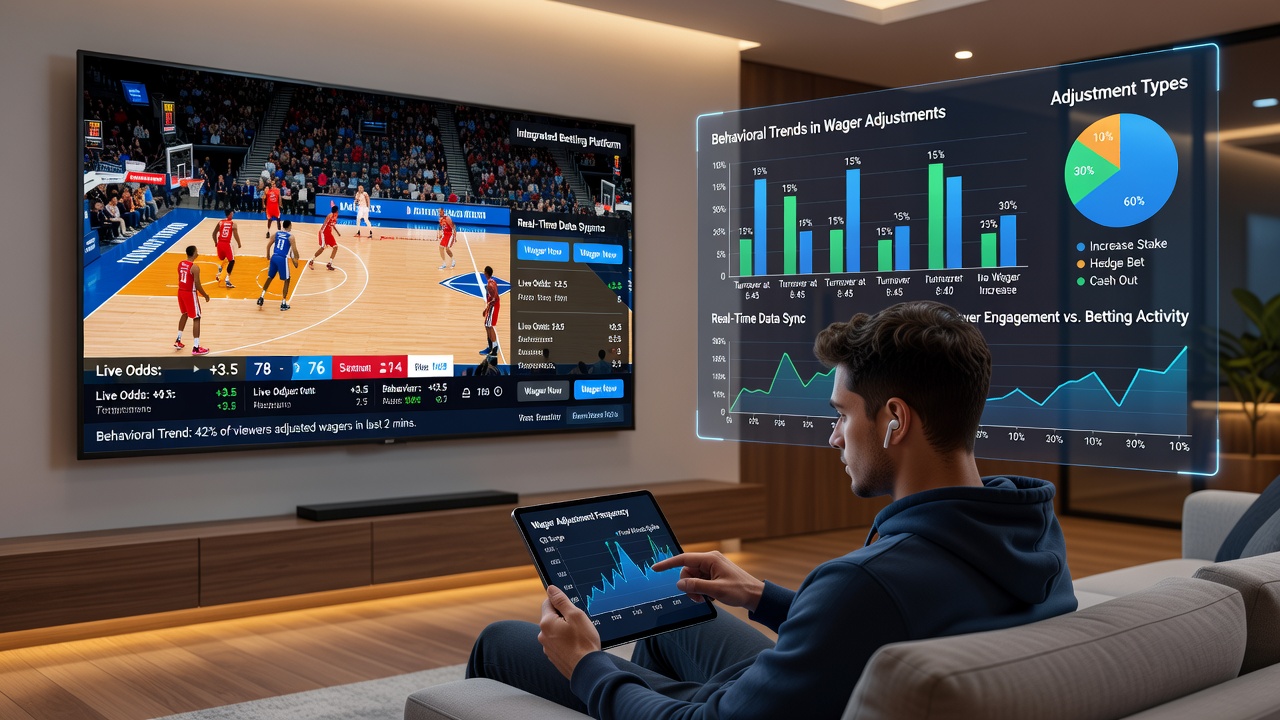
Platform design plays a measurable role, since interfaces that overlay live statistics directly beside betting controls see faster response times from users. Observers note that color-coded alerts for momentum changes correlate with spikes in adjustment volume, especially when those alerts appear within three seconds of the on-field action. One study tracking thousands of sessions found that participants exposed to such overlays adjusted wagers 1.8 times more frequently than those using basic text-only feeds, highlighting how visual integration shapes decision speed without altering overall risk tolerance levels.
Factors Driving Adjustment Frequency
Event type and duration affect how often adjustments happen, as shorter contests like basketball quarters produce more rapid changes than extended soccer halves. Research indicates that live tennis matches generate the highest volume of mid-point stake modifications because set and game structures create natural pause points where integrated interfaces refresh odds instantly. Bettors in these scenarios often hedge positions by splitting wagers across multiple outcomes, a behavior that increased 29 percent in October 2026 compared to the same month the previous year.
Payment method integration also shows correlations, with those using e-wallets linked to the streaming service making smaller, more frequent adjustments than credit card users who tend toward larger single changes. The reality is that these patterns reflect accessibility and perceived transaction speed rather than any inherent difference in betting strategy, and industry reports confirm the trend persists across age groups and experience levels.
Conclusion
Behavioral trends in wager adjustments during live sports streams continue to evolve alongside improvements in interface technology and data delivery. Evidence from multiple regions demonstrates consistent responses to game momentum, visual cues, and platform features, while regional differences highlight the influence of local regulations and promotional approaches. As streaming integration deepens, these patterns provide measurable insights into how participants manage risk in real time without relying on subjective interpretation.