Examining AI Recommendation Engines and Their Influence on Game Selection Behaviors in Interactive Betting Platforms
Ines Simmons · Sep 12, 2026
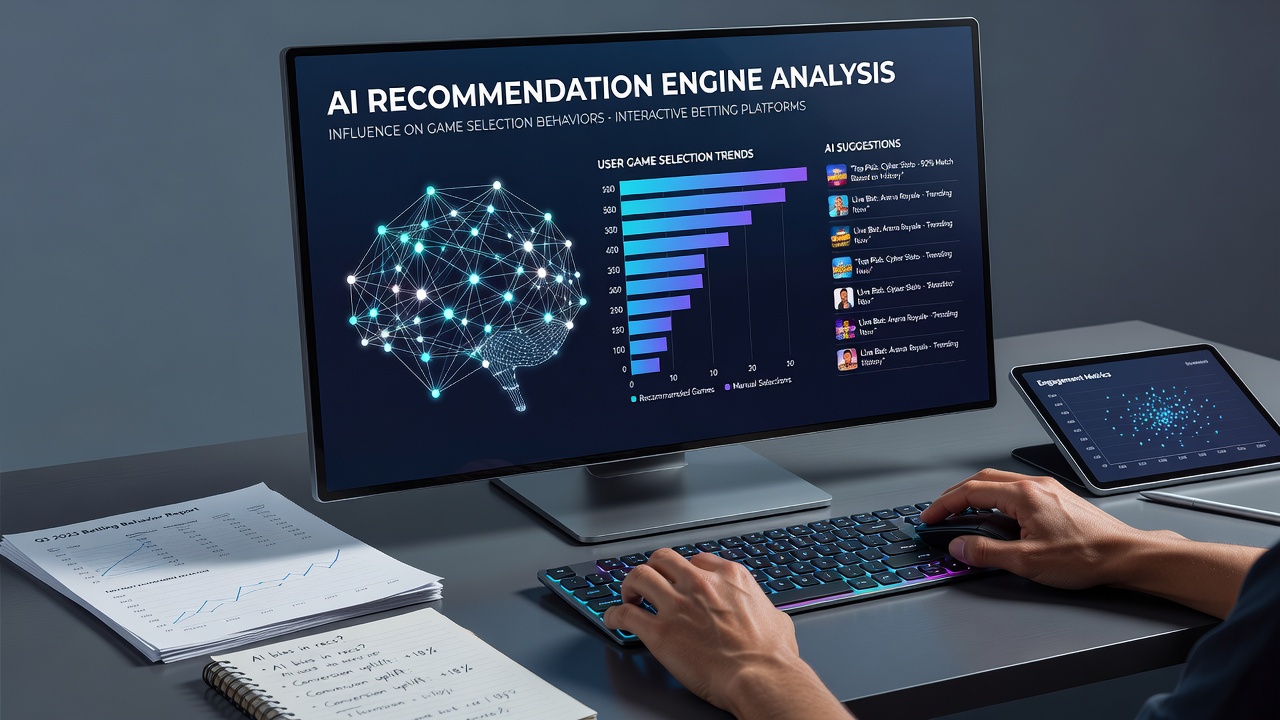
Examining AI Recommendation Engines and Their Influence on Game Selection Behaviors in Interactive Betting Platforms
AI recommendation engines have become central components in interactive betting platforms where they process large volumes of user data to suggest specific games and betting options, and these systems rely on machine learning models that track previous selections, session durations, and interaction patterns while adjusting outputs in real time. Operators deploy these tools across mobile and desktop environments, which allows platforms to surface content that aligns with individual activity histories, and data from industry reports shows that such engines now guide a substantial portion of game selections in regulated markets.
Researchers at academic institutions have examined how these algorithms categorize users into preference groups based on metrics like frequency of play and average bet sizes, yet the models also incorporate external signals such as time of day and device type to refine their predictions. In September 2026 several platforms reported updates to their recommendation logic that incorporated additional variables from regional regulatory filings, which produced measurable shifts in the types of table games and slots that appeared in user feeds.
Data Collection and Algorithmic Processes
Platforms gather information from account activity, clickstream logs, and payment records to build detailed profiles, and these datasets feed into collaborative filtering techniques that compare one user's behavior against thousands of others with similar histories. Content-based filtering runs in parallel by matching game attributes like volatility levels and theme categories to past choices, while hybrid approaches combine both methods to reduce repetition and introduce new titles at calculated intervals. Studies from Canadian research centers indicate that hybrid models can increase the rate at which users try unfamiliar games by up to thirty percent compared with non-personalized displays.
Engineers fine-tune these systems through A/B testing cycles that measure click-through rates and subsequent play durations, and adjustments occur frequently to maintain accuracy as user populations evolve. The underlying code often employs neural networks that weigh hundreds of features simultaneously, which enables rapid adaptation when external events such as new game releases or seasonal promotions alter overall traffic patterns.
Observed Effects on User Selection Patterns
Analysis of platform telemetry reveals that recommended games receive higher selection rates than non-recommended titles in the same category, and this correlation holds across different demographic segments tracked by operators. Users exposed to personalized carousels tend to explore a narrower set of game types over successive sessions, whereas control groups without recommendations demonstrate broader distribution across available options. Figures released by Australian regulatory bodies show that the average number of distinct games sampled per user declined in markets where recommendation density increased between 2024 and 2026.

One documented case involved a European operator that introduced real-time suggestion pop-ups during live dealer sessions, and the change coincided with a documented rise in selections of specific roulette variants that matched users' prior blackjack activity. Similar patterns appear in data shared by U.S. state gaming commissions where slot recommendations based on previous jackpot wins led to sustained engagement with high-volatility titles. These shifts occur because the engines prioritize titles that historically retain attention for longer periods, which creates feedback loops that reinforce certain selection pathways.
Regulatory and Industry Responses
Government agencies in multiple jurisdictions have begun requiring operators to disclose how recommendation systems function, and transparency reports now detail the main data categories used for personalization. A 2025 study coordinated by researchers at the University of Nevada examined compliance documentation from several interstate platforms and found that most engines include opt-out mechanisms, although usage rates for those controls remain low according to aggregated operator statistics. Industry associations have issued guidelines that encourage periodic audits of algorithmic fairness to prevent over-concentration on specific game providers.
Technical standards emerging from Singapore's regulatory framework emphasize the need for audit trails that record every recommendation delivered to a user account, and these records support retrospective analysis when questions arise about unintended behavioral effects. Platforms that integrate these standards report improved ability to adjust models when external reviews identify disproportionate promotion of particular content categories.
Conclusion
AI recommendation engines continue to shape game selection behaviors on interactive betting platforms through continuous analysis of user data and iterative model updates, and the resulting patterns appear consistently across markets that publish relevant metrics. Ongoing research from varied geographic sources tracks how these systems evolve alongside regulatory requirements, which provides operators and observers with clearer views of their operational reach and measurable outcomes.