Regional Biometric Verification Trends Shaping Access Speeds for Live Dealer Sessions Across Emerging Digital Platforms
Greta Krüger · Nov 21, 2026
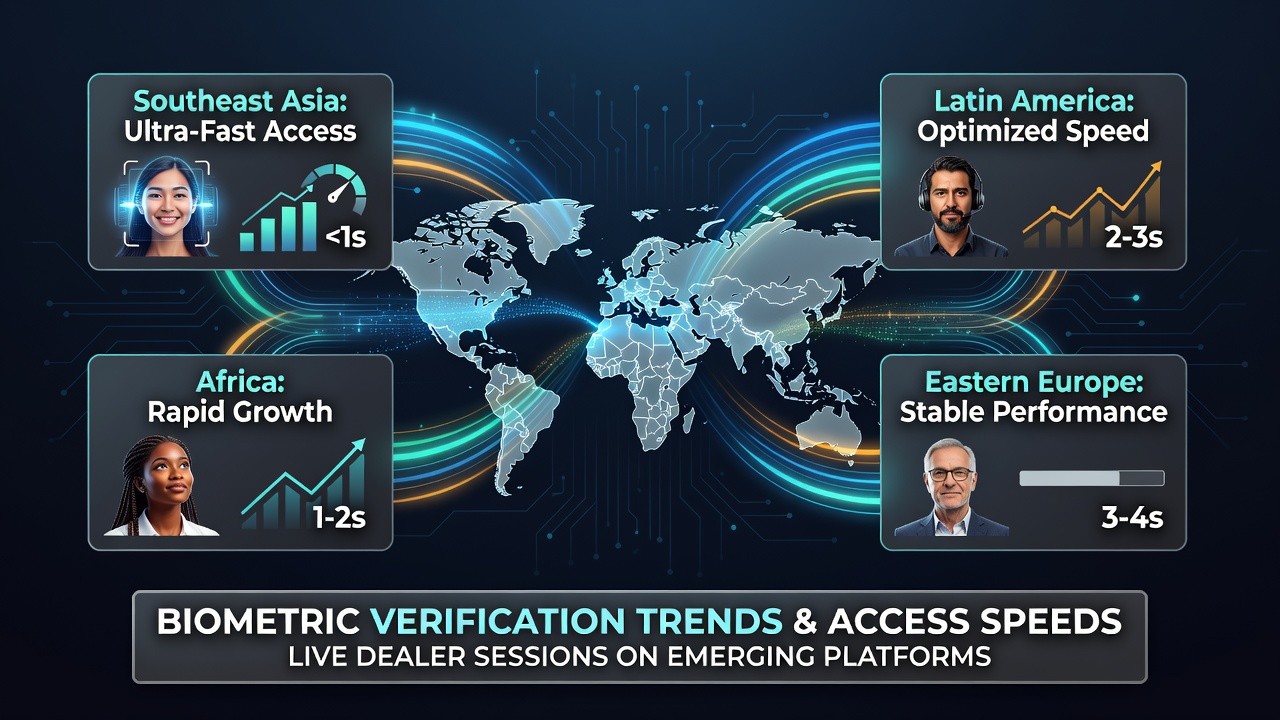
Regional Biometric Verification Trends Shaping Access Speeds for Live Dealer Sessions Across Emerging Digital Platforms
Biometric verification systems continue to reshape how players enter live dealer sessions on digital platforms, with regional differences driving distinct improvements in access speeds. Facial recognition, fingerprint scanning, and iris detection now replace lengthy password entries and multi-factor codes in many jurisdictions, cutting average login durations from over two minutes to under fifteen seconds according to industry deployment reports. These technologies integrate with existing compliance frameworks, allowing operators to meet identity checks while accelerating entry into real-time table games such as blackjack and roulette.
North American Adoption Patterns
States with regulated online gaming have rolled out biometric pilots that tie directly into state gaming commission databases, enabling seamless verification across state lines where reciprocity agreements exist. In markets like New Jersey and Pennsylvania, platforms report that fingerprint-based logins reduced session start delays by 68 percent during the first half of 2026, with further gains noted after software updates deployed in September. Researchers at the University of Nevada, Las Vegas documented these efficiency gains through platform telemetry shared under academic partnerships, highlighting how regional data centers process biometric templates locally to avoid latency from distant servers.
Asia-Pacific Implementation Shifts
Across Singapore, Australia, and parts of Southeast Asia, regulators have mandated biometric layers for new platform licenses issued since early 2025, resulting in standardized facial recognition protocols that sync with national identity registries. Australian platforms using these systems recorded median access times dropping below ten seconds by October 2026, according to figures released through the Australian Gambling Research Centre. The approach combines on-device matching with cloud confirmation, which maintains security without routing every check through central servers that previously created bottlenecks during peak evening hours in live dealer lobbies.
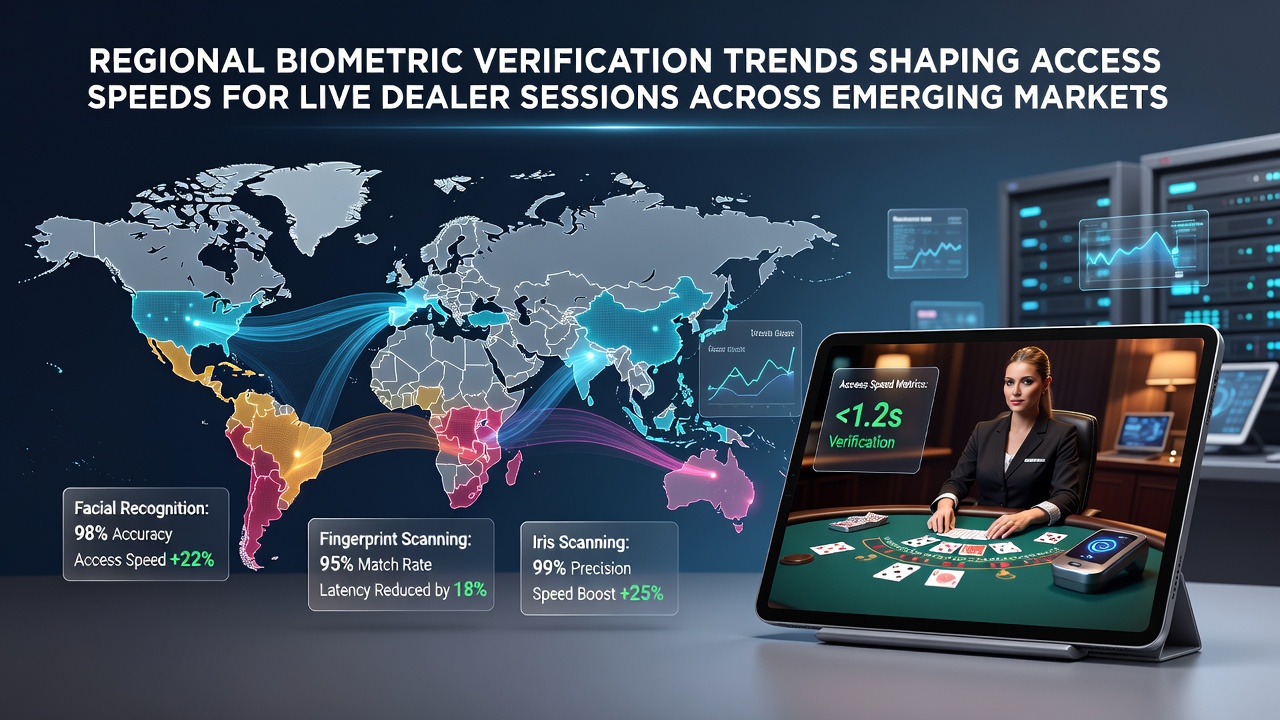
European and Emerging Market Variations
European operators operating under varying national rules have adopted hybrid models that blend biometrics with behavioral analytics, allowing quicker re-entry for returning users whose patterns match stored profiles. Data compiled through industry groups shows that platforms in Malta and Spain achieved 40 percent faster session initiations after rolling out these combined systems in mid-2026. Meanwhile, Latin American markets entering digital licensing phases have begun testing mobile-first fingerprint solutions that leverage existing banking apps, reducing the need for separate verification steps and aligning access speeds closer to those seen in more mature regions. Observers note that these tests often occur on emerging platforms where infrastructure investments focus first on mobile compatibility rather than desktop experiences.
November 2026 Data Points and Platform Impacts
Figures released in November 2026 from multiple regulatory filings reveal that biometric adoption rates reached 54 percent among newly licensed digital platforms in tracked regions, correlating with measurable reductions in player drop-off during the verification stage. Live dealer sessions, which require stable connections from the moment of entry, benefit particularly because shorter access windows minimize interruptions to real-time video streams and dealer interactions. Platforms that implemented region-specific biometric templates also reported lower support ticket volumes related to login issues, freeing resources for game quality improvements. Those who've studied the deployment logs emphasize that local data processing remains a key factor in maintaining sub-fifteen-second verification across varying network conditions.
Technical and Regulatory Intersections
Regulatory bodies in different regions set distinct template storage rules that influence how quickly systems can confirm identities without compromising privacy standards. Platforms adapting to these rules often deploy edge computing nodes closer to user populations, which further trims verification latency. In practice, this means a player in one market may complete facial matching on their device before any data leaves for central review, whereas another jurisdiction requires immediate cloud cross-checks that add small but measurable delays. Industry reports indicate that operators balancing these requirements achieve the fastest consistent access when they align biometric choices with local infrastructure strengths rather than applying uniform global solutions.
Conclusion
Regional biometric verification trends continue to define access speeds for live dealer sessions on emerging digital platforms through localized technology choices and regulatory alignments. North American, Asia-Pacific, and European markets each demonstrate measurable time reductions tied to specific implementations, with November 2026 data underscoring ongoing efficiency gains. As more jurisdictions integrate these systems, platform operators adjust infrastructure accordingly while meeting compliance demands, resulting in faster entry points that support uninterrupted live dealer play across expanding digital environments.